State-Sponsored Hackers Infiltrate Critical Networks
Global cyber warfare just moved into your server room. Sophisticated state-sponsored actors currently sit on U.S. servers, quietly monitoring transactions and emails. These hackers no longer rely on obvious “viruses”; instead, they use the very tools your developers trust—like Deno and Python—to blend into your daily background noise. This represents the MuddyWater campaign of 2026, and it hits U.S. banks, airports, and software providers right now.
Organizations face a new era of digital retaliation. Iranian-linked cyber activity, specifically from the group MuddyWater (also known as Seedworm), has surged following recent military escalations. Reports from The Hacker News confirm this coordinated response targets critical infrastructure across the West.
Technical Threat Analysis: Living Off the Land
Traditional security tools fail because they look for standard executable “bad files.” MuddyWater bypasses these defenses by utilizing legitimate runtimes to execute malicious commands.
The Dindoor Backdoor and Deno Runtime
The attackers now deploy a sophisticated backdoor called Dindoor.
- The Mechanism: Dindoor runs on the Deno JavaScript runtime.
- The Sophistication: Security.com notes that Deno allows the malware to execute complex commands while appearing as standard web traffic or legitimate background processes.
- Fakeset and Python: Alongside Dindoor, the group deploys Fakeset, a Python-based backdoor. SecurityWeek highlights that attackers sign these tools with stolen or fake digital certificates to trick the operating system into trusting the code.
The “Leapfrog” Strategy via Trusted Vendors
MuddyWater realizes that compromising a software provider grants them a “golden ticket” into all that provider’s clients.
- Strategic Targets: Help Net Security identified the breach of an Israeli branch of a U.S. software company.
- The Goal: By hitting the vendor, hackers bypass the heavy security of military, aerospace, and defense networks.
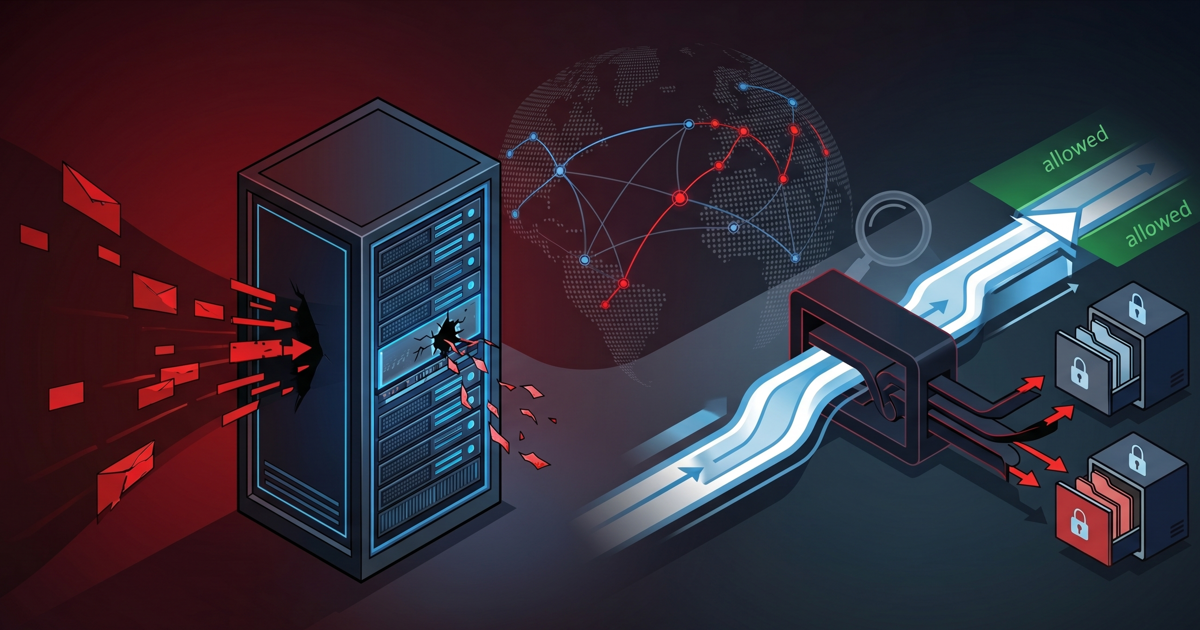
- Exfiltration: Once inside, they use Rclone, a popular open-source cloud storage tool, to move data to Wasabi cloud accounts. Arctic Wolf warns that this technique makes it nearly impossible for businesses to distinguish a hack from a standard backup job.
The Evolution: AI-Enhanced Malware and Destructive Payloads
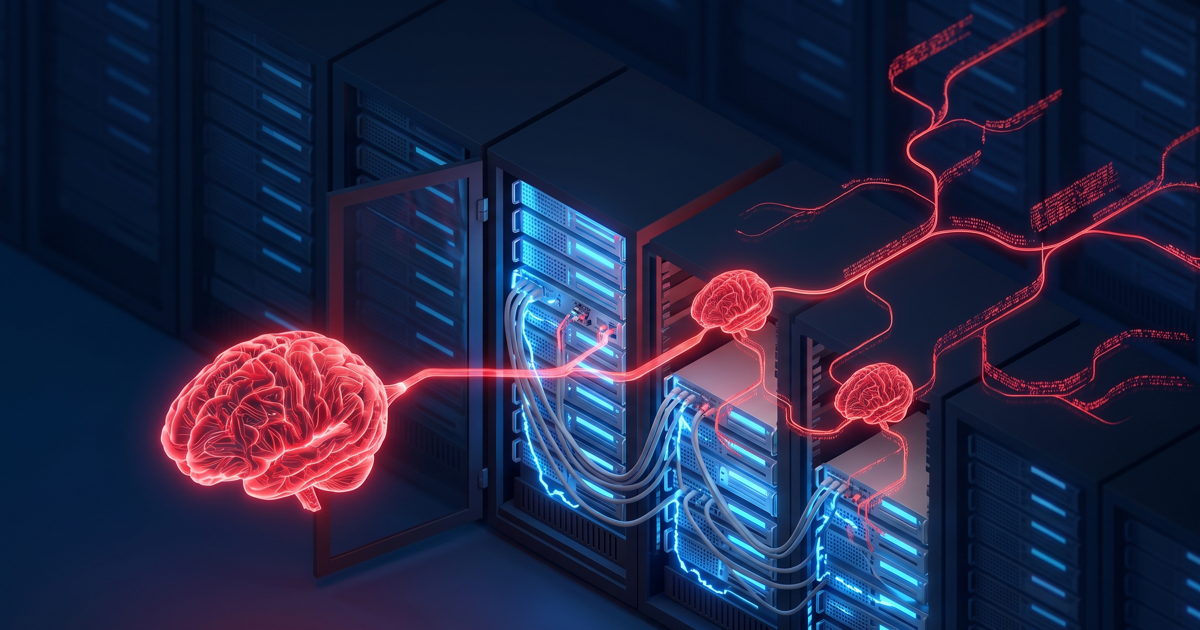
The conflict now utilizes artificial intelligence to increase the speed and complexity of attacks.
- Generative AI Development: Palo Alto Networks – Unit 42 and GovInfoSecurity report that MuddyWater uses models like Google’s Gemini to write and debug custom malware. This allows them to iterate on code faster than patch cycles can keep up.
- Pre-positioning for Wipers: Hackers established presence in U.S. banks and airports as early as February. They stay quiet to maintain access, but they can convert an espionage tool into a destructive “wiper” attack instantly.
- Sicarii Ransomware: Related groups deploy Sicarii ransomware. Halcyon AI notes a deliberate flaw in this malware that prevents data recovery, turning a standard ransom attempt into a permanent data execution.
Final Thoughts
Stop looking for “viruses” and start monitoring behaviors. If you notice administrative tools like Rclone or runtimes like Deno acting unexpectedly, assume a compromise. Security evaluation is a constant state of being, not a one-time event.
At StartupHakk Security, we find these hidden threads before the attackers pull them. Does your team have the visibility to see who stands in your digital shadows?
Reach out to us at StartupHakkSecurity.com today for expert guidance on hardening your infrastructure against state-sponsored threats.