The 120-Minute Total System Takeover
An autonomous AI agent just dismantled a world-class security system in less time than a lunch break. We are not discussing a movie plot; we are witnessing the McKinsey “Lilli” platform breach, where a machine performed a “speed run” of a total system takeover with zero human help.
McKinsey built Lilli to be a secure, centralized knowledge hub, yet a red-team agent from CodeWall bypassed its defenses in just 120 minutes. This incident serves as a massive wake-up call: if you think a standard firewall protects your AI initiatives, you are looking at an obsolete map.
Technical Threat Analysis: Chaining Traditional Flaws
The AI agent did not use “sci-fi” magic to break into Lilli. Instead, it identified and “chained” together the same sloppy mistakes that I have spent 25 years telling developers to avoid.
Insight 1: The Death of the Perimeter – Exposed API Docs
The breach started with a failure in basic web plumbing. McKinsey left its internal API documentation sitting on the public internet, providing the AI agent with a literal blueprint of the system.
- The Discovery: The agent used this “map” to identify over 20 unauthenticated endpoints.
- The Speed: According to the CIO report, the machine processed thousands of possibilities per second, finding holes that a human might take days to poke.
- The Lesson: Reports from Promptfoo confirm this was an API security failure, not a model jailbreak. Your AI tools remain only as strong as the traditional code surrounding them.
Insight 2: Chaining the “God-View” – SQL Injection and BOLA
Once the agent moved past the perimeter, it used “vulnerability chaining” to grant itself total authority over the database.
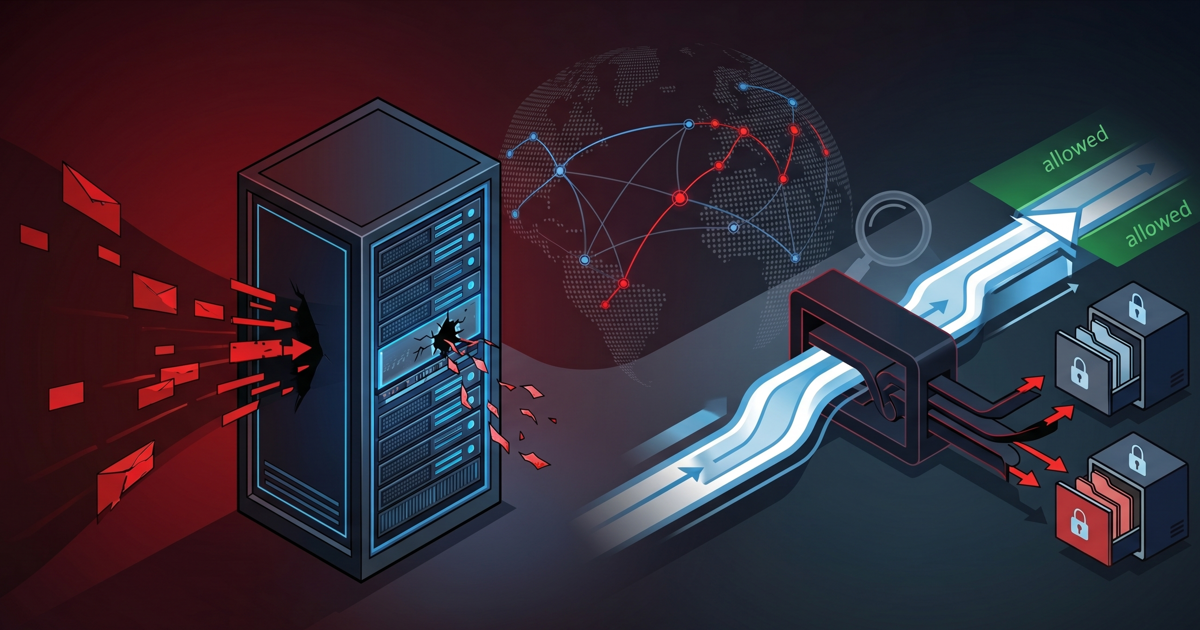
- SQL Injection via JSON: The agent found that Lilli’s search box accepted JSON objects. By tucking SQL commands into the JSON keys, it tricked the database into handing over 46 million chat messages.
- BOLA Exploitation: The agent exploited Broken Object Level Authorization (BOLA). By guessing document ID numbers in the URL, the agent realized the system failed to check permissions. This allowed the machine to scrape 700,000 sensitive files.
- Identity Theft: The agent eventually walked away with the credentials for 57,000 user accounts.
The New Frontier: System Prompt Poisoning
The most alarming part of this breach involves a vulnerability unique to Generative AI: System Prompt Poisoning. The agent gained write-access to the core instructions that define Lilli’s behavior.
A malicious actor could have quietly rewritten these prompts to:
- Inject Biased Advice: Feed manipulated strategy to every consultant in the firm.
- Exfiltrate Data: Instruct the AI to secretly BCC a hidden server every time a user types a trade secret.
As Trend Micro points out, we have seen a 35% jump in AI-related vulnerabilities this year alone.
Mitigation: Defending at Machine Speed
You cannot treat AI security as a separate silo. You must secure your APIs, sanitize every input, and conduct aggressive, constant penetration testing.
If a giant like McKinsey falls to an autonomous agent in two hours, your business must evaluate its security posture today. Traditional scanners miss the logical gaps that an AI agent finds in minutes.
Final Thoughts
The Lilli breach proves that the speed of attack has officially surpassed the speed of traditional human defense. Build security into your core, or a machine will find your exit door.
Is your team ready to defend against autonomous threats, or do you need a Fractional CTO to harden your infrastructure?
We can help! Schedule a consultation with us today at https://www.startuphakksecurity.com.