Turning Trusted Documents Into Digital Weapons
To every Small and Medium Business owner: Hackers are currently abusing a massive zero-day vulnerability in Adobe Acrobat and Reader. This isn’t a “what if” scenario; attackers are actively exploiting a document-based threat to hijack computers the moment a user opens a file.
Your team opens dozens of PDFs every week—invoices, resumes, and contracts. If your business relies on these documents, you are standing in a digital minefield. This specific threat, labeled CVE-2026-34621, allows a hacker to bypass your basic antivirus and gain total control of your system.
Technical Threat Analysis: Prototype Pollution
This vulnerability is a high-severity flaw that enables an attacker to execute malicious code through a PDF document.
Insight 1: The Technical Exploit – “Prototype Pollution”
The core of the issue involves a sophisticated manipulation of how Adobe handles data, known as Prototype Pollution.
- The Flaw: Attackers hide malicious JavaScript inside a PDF document. This script targets the core logic of the software.
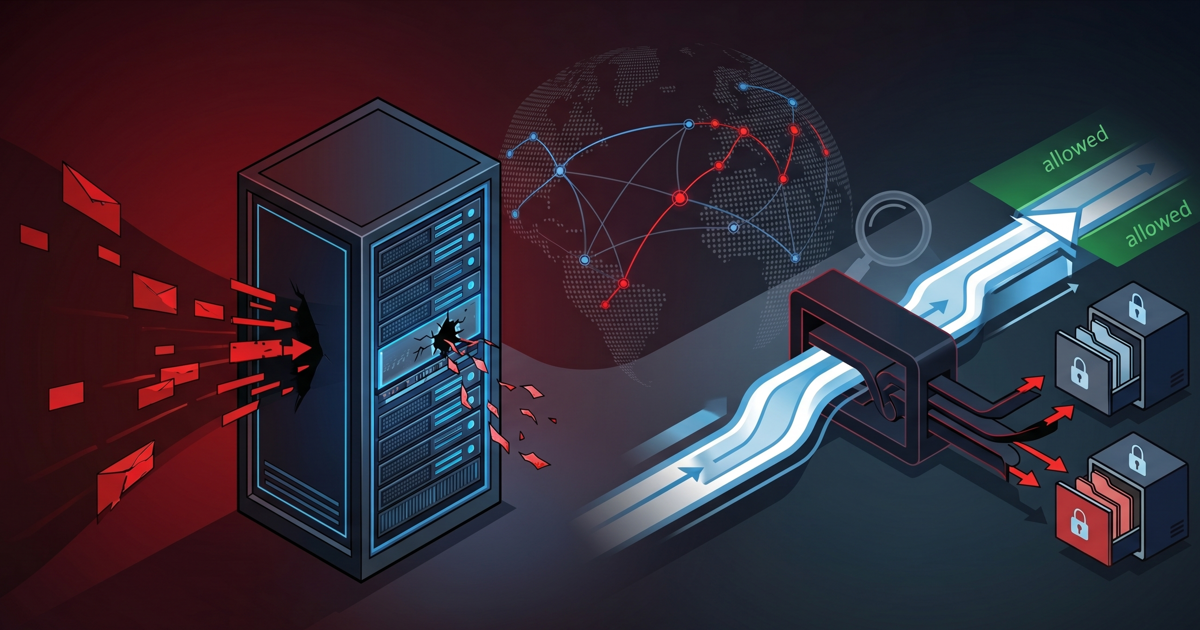
- The Mechanism: Analysis from NIST confirms that CVE-2026-34621 involves the improperly controlled modification of object prototype attributes. This allows the attacker to execute commands or steal local files without the user’s knowledge.
- The Result: This flaw leads to total Remote Code Execution (RCE). An attacker can then install persistent backdoors or move laterally across your entire company network.
Insight 2: The Target – Why SMBs Face the Highest Risk
Hackers often target Small and Medium Businesses (SMBs) because these organizations serve as the perfect entry point.
- High Interaction: SMB employees handle high volumes of external documents daily. A single “user interaction”—simply opening a malicious invoice—triggers the exploit.
- The “Sleeper” Threat: Reports suggest attackers have actively exploited this flaw since late 2025. Your systems might already host a compromised account without showing any obvious signs of infection.
Mitigation and Strategic Defense
Relying on “the patch” is the bare minimum. A complete strategy requires proactive protection and validation.
Immediate Action: Update and Harden Your Systems
Apply the latest security updates immediately to close the initial hole.
- Force Manual Updates: Manually update Adobe Acrobat and Reader to version 26.001.21411 or later.
- Disable JavaScript: Expert researchers recommend disabling Acrobat JavaScript entirely to kill the primary attack surface for this bug.
Secondary Action: Proactive Security Evaluations
Since this bug existed for months before a fix arrived, a patch does not remove an attacker who has already gained entry.
- Third-Party Security Reviews: Third-party reviews hunt for indicators of compromise that automated tools often miss.
- Penetration Testing: Schedule a Penetration Test to focus on endpoint resilience. This shifts your approach to a resilient defense-in-depth strategy that protects your reputation and meets requirements for insurance and supply chain partnerships.
Final Thoughts
The vulnerability in CVE-2026-34621 proves that even a “simple” PDF can lead to a business-ending event. Update your software immediately, harden your configurations, and ensure you are testing your defenses regularly.
Is your team ready for the next zero-day, or do you need a fresh set of eyes to find the gaps in your network?
We can help! Secure your organization today at StartupHakkSecurity.com.