Enterprise Infrastructure Under Attack
To every CTO, System Administrator, and Developer: The Chaos botnet just graduated from attacking home routers to compromising your high-performance enterprise hardware. We are not describing a theoretical update; the Chaos malware now actively targets 64-bit Linux servers, representing a massive tactical shift in the global threat landscape.
Your server environment—the backbone of your data center—is the new primary target. Attackers transitioned this Go-based malware from low-power IoT devices to x86-64 architecture, granting them access to the massive computing resources of your internal network.
Technical Threat Analysis: The “Swiss Army Knife” of Malware
Recent analysis reveals that Chaos functions as a versatile tool for espionage, disruption, and persistent unauthorized access.
Insight 1: Architecture Shift and Stealth Proxies
The malware operators fundamentally changed their philosophy by moving into the heart of the enterprise.
- The Architecture Jump: Chaos previously lived on ARM and MIPS architectures. By targeting 64-bit Linux, attackers gain a much more stable environment. Unlike home routers that reboot frequently, data center servers stay online for years, providing a permanent base for operations.
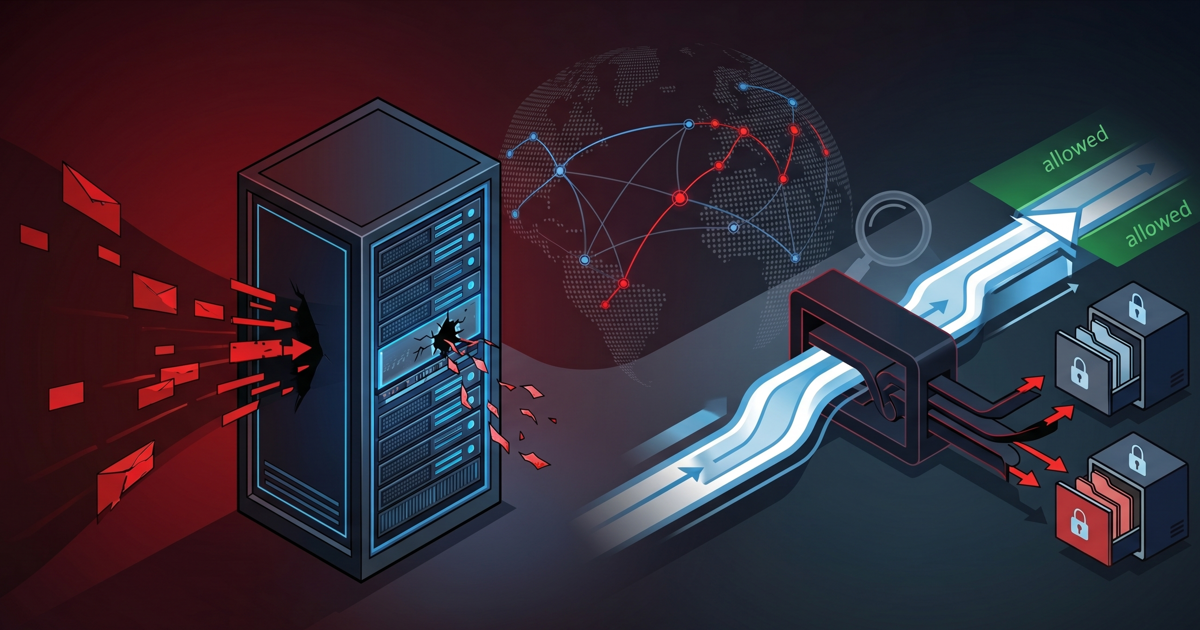
- The SOCKS5 Proxy: Recent samples analyzed by SC Media include SOCKS5 proxy functionality. This feature turns your high-end server into a “jump box.” Attackers route malicious traffic through your clean IP addresses to mask their origin and tunnel deeper into your network.
- Versatile Payload: As documented in the Lumen Black Lotus Labs report, Chaos supports everything from launching massive DDoS attacks to mining cryptocurrency, all while hiding under the hood of your operating system.
Insight 2: The “Low and Slow” Persistence Strategy
Security researchers identified a dual-threat model that makes this botnet particularly dangerous for long-term security.
- The 48-Hour Sprint: In the “Smash and Grab” playbook, attackers identify and exfiltrate intellectual property within 48 hours of the initial breach.
- The 600-Day Resident: Darktrace observed threat actors remaining dormant in identity systems for over 600 days. They watch, wait, and maintain access to critical infrastructure long after the initial infection.
- Global Reach: This is a worldwide campaign. Security Affairs reports massive infection spikes across Europe and the Americas, specifically targeting the backbone of Western business infrastructure.
Mitigation and Urgent Action Required
The transition of Chaos to enterprise-grade hardware demands an immediate re-evaluation of your Linux server security posture.
Immediate Action: Hardening the Entry Points
Attackers primarily spread Chaos by exploiting known vulnerabilities and brute-forcing SSH keys.
- Audit SSH Access: Review your SSH logs immediately for unauthorized login attempts. Implement Multi-Factor Authentication (MFA) for all server access—even for internal-only systems.
- Rotate Keys: Treat your existing SSH keys as potentially compromised. Rotate them regularly and disable password-based authentication entirely.
- Patching: Ensure all internet-facing systems remain updated against known CVEs. Attackers rely on unpatched software to gain their initial foothold.
Strategic Defense: Monitoring and Evaluation
Chaos often hides in plain sight by mimicking legitimate system processes.
- Monitor Outbound Traffic: Watch for unusual outbound connections. If a database server attempts to communicate with a foreign IP via SOCKS5, investigate for a proxy hijack.
- Constant Evaluation: “Set it and forget it” security is a death sentence. Thales Group notes that these botnets often participate in massive DDoS campaigns. Regular penetration testing identifies these hidden residents before they cause catastrophic damage.
Final Thoughts
The evolution of Chaos malware proves that “small” threats eventually grow into enterprise-level disasters. As a Fractional CTO, I emphasize that your network integrity relies on every single device. You must build security into the core of your infrastructure, not just bolt it on later.
Is your 64-bit Linux environment truly secure, or is an invisible resident waiting in your identity systems?
We can help you find out. Schedule a security evaluation with us today at StartupHakkSecurity.com.