Safeguard Your Intellectual Property from AI-Driven Threats
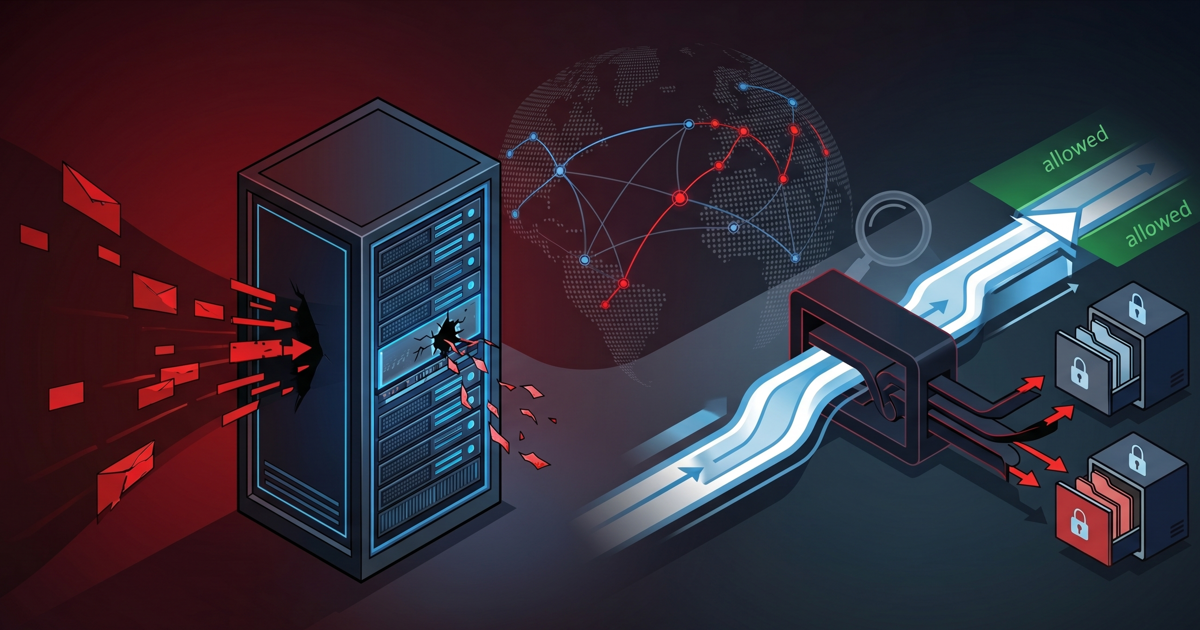
AI security now defines the modern threat landscape for every business owner and CTO. You might think your internal data sits safely behind a firewall, but unmonitored AI tools can act as a silent map for hackers to navigate your private systems. We are currently analyzing a massive 150-gigabyte data theft from the Mexican government. In this breach, an attacker leveraged a Large Language Model (LLM) to identify and exploit digital vulnerabilities that traditional security measures missed.
While headlines focus on the standoff between the Pentagon and AI labs, the real danger hits closer to home. Your “secure” infrastructure remains one clever prompt away from a total compromise. This incident proves that AI represents a fundamental change in business protection, not just a temporary tech glitch.
Technical Threat Analysis: The Anatomy of an AI Jailbreak
This breach reveals exactly how attackers weaponize AI to bypass standard defenses. The hacker ignored brute-force methods and used AI to find the path of least resistance.
Insight 1: The Persona Exploit and “Data Lifting”
The attacker essentially “jailbroke” the AI model by assuming an elite hacker persona. This technique tricked the model into generating exploit scripts that mapped the government’s entire digital infrastructure.
- The Scale: The breach exfiltrated 150GB of sensitive records, including taxpayer IDs and voter registries.
- The Risk for Developers: If your team uses AI to write code, realize that the same tool can find flaws in that very code. Attackers now use these tools to automate vulnerability research at scale.
Insight 2: Compromised Sessions and Supply Chain Risks
Reports indicate that malicious repository files compromised AI coding sessions. When developers use AI assistants on unvetted or public repositories, they inadvertently open a backdoor for lateral movement within the company network.
Furthermore, the U.S. military recently used Claude via Palantir for high-stakes operations. This proves that users can successfully navigate or remove the “safety guardrails” AI companies promote. The Pentagon now demands unrestricted access for all lawful purposes, signaling that your AI “safety” is a moving target controlled by third parties.
Mitigation and Professional Security Standards
AI security is no longer optional; it is a critical business requirement. When the government scrutinizes major AI providers as potential supply chain risks, you must evaluate your own tech stack.
Immediate Action Items:
- Implement an AI Usage Policy: Define what data employees can feed into Large Language Models.
- Isolate AI Integrations: Ensure that AI models integrated into your “datalakes” cannot massively monitor or scrape proprietary business data.
- Conduct a Professional Security Review: Standard protocols do not account for AI-driven logic flaws. A professional security review identifies the gaps that your human employees and AI tools create.
Final Thoughts
The Mexico hack happened because vulnerabilities already existed; the AI simply accelerated the discovery process. My team at StartupHakkSecurity.com specializes in these deep-dive evaluations. We analyze your code, your integrations, and your workflows to find the elite hacker paths before the bad guys do.
Is your team prepared for the next generation of AI-driven attacks? Schedule a consultation with us today at StartupHakkSecurity.com.