Your Legacy Hardware is a Time Bomb
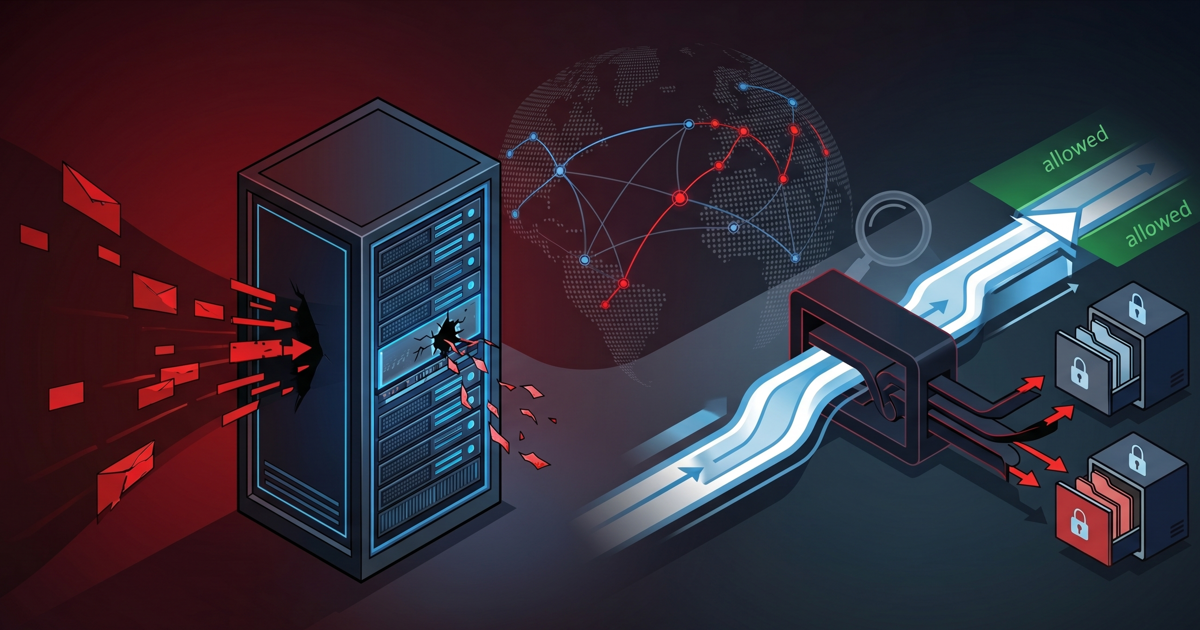
A ghost is hiding in your server room, and it just unlocked the front door. While you spend your budget on modern AI firewalls, a 90s-era protocol is handing over the keys to your kingdom. We are tracking a 9.8 out of 10 critical severity rating for vulnerabilities in the GNU InetUtils telnet daemon that allow total system takeover.
Nearly one million devices worldwide remain exposed to these flaws. Hackers do not need to guess your password or even interact with a user to gain full administrative control. This is not a theoretical risk; it is a direct threat to your business continuity happening right now.
Technical Threat Analysis: Handshakes and Bypasses
These two vulnerabilities target the same service but use different methods to grant an attacker root access.
1. CVE-2026-32746: The Unauthenticated Buffer Overflow
The “newer” flaw, CVE-2026-32746, involves a classic out-of-bounds write error.
- The Mechanism: The vulnerability exists in the
add_slcfunction of thetelnetdservice. The code fails to check if a buffer is full before writing data during the initial “handshake.” - The Result: An attacker sends a specifically crafted request that overflows the system’s memory. This allows them to execute arbitrary code before the victim even sees a login prompt.
- The Impact: This enables Remote Code Execution (RCE) with zero prior credentials, essentially turning your Telnet port into an open invitation for malware.
2. CVE-2026-24061: The 11-Year-Old Authentication Bypass
The second flaw, CVE-2026-24061, lived undetected in the source code since 2015.
- The Flaw: This is an argument injection vulnerability. An attacker sends a crafted
USERenvironment variable (like-f root) to the daemon. - The Exploit: The
telnetdservice blindly passes this variable to the system’s login program. The-fflag tells the system the user is already authenticated. - The Result: The system drops the attacker directly into a root shell. As reported by The Hacker News, this bypass requires no password and grants the highest possible privileges.
Active Exploitation and CISA Warnings
This threat has moved beyond the lab and into the real world. CISA officially added CVE-2026-24061 to its Known Exploited Vulnerabilities Catalog. Threat actors are actively weaponizing these flaws to target the healthcare sector and critical infrastructure.
If you run legacy IoT devices, older routers, or industrial control systems, you likely have an exposed Telnet port. Hackers use these trivial exploits to steal data, monitor your internal traffic, or install persistent backdoors that remain active for years.
Mitigation: Immediate Actions to Secure Your Business
You must act immediately to protect your organization from these high-severity exploits.
- Kill the Protocol: Disable the
telnetdservice entirely. Modern, encrypted alternatives like SSH have been the industry standard for decades. There is no valid reason to leave Telnet exposed to the internet. - Patch GNU InetUtils: If you absolutely require Telnet for legacy hardware, update to GNU InetUtils version 2.8 immediately. This version contains the necessary fixes for these critical overflows and injections.
- Network Segmentation: Isolate any device requiring Telnet on a dedicated VLAN. SonicWall researchers emphasize that you must restrict access to these devices via a strict IP whitelist and block all direct internet traffic.
- Perform Regular Audits: Use penetration testing to find these hidden gaps. At StartupHakkSecurity.com, we identify these legacy risks before attackers exploit them.
Final Thoughts
Security is not a one-time setup; it is a constant process of evaluation. A flaw sitting undetected for 11 years proves that even your most “stable” systems need a second look. Kill Telnet, patch your servers, and harden your architecture today.
Is your team struggling to secure legacy hardware, or do you need a professional security audit to find your hidden vulnerabilities?
We can help! Schedule a consultation with us today at https://www.startuphakksecurity.com.