Is Your Digital Bouncer Ignoring Intruders?
Docker Engine security relies on robust isolation, but a critical flaw now allows attackers to walk right past your digital front door. You might invest in premium security plugins and strict container policies, but CVE-2026-34040 reveals that your “bouncer” stops checking IDs the moment a request looks slightly too heavy. This high-severity bypass vulnerability in the Moby Docker Engine fundamentally breaks the container isolation that modern infrastructure depends on.
Attackers can exploit this flaw to grab your AWS keys, SSH credentials, and entire host filesystem. While many organizations believe their containers remain isolated, this “Silent Bouncer” attack proves that a simple 1 MB file can dismantle your entire security stack.
Technical Threat Analysis: The Truncated Request Flaw
This vulnerability stems from an almost absurdly simple logic error within the Docker Engine’s middleware. It creates a massive gap between what your security plugins see and what the Docker daemon actually executes.
How the 1 MB Bypass Works
The core of the issue lies in how Docker handles API request bodies that exceed a specific size threshold.
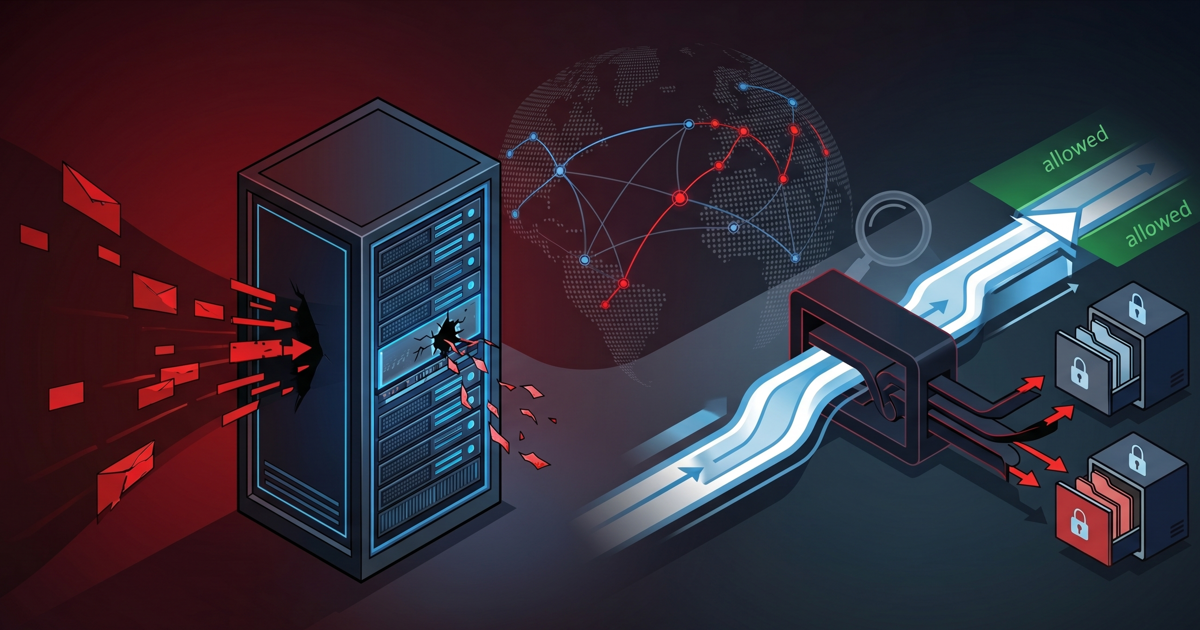
- The Flaw: When an API request larger than 1 MB enters the Docker Engine, the middleware truncates or drops the body before the data reaches your authorization plugins.
- The Mechanism: Because the authorization plugin receives an empty or incomplete request, it defaults to an “Allow” response. Meanwhile, the actual Docker daemon continues to process the full, malicious request in the background.
- The Result: An attacker with basic local access bypasses every security policy you have in place.
Escalation and Data Theft
Once an attacker bypasses the authorization layer, they gain nearly unrestricted access to the underlying host.
- Privilege Escalation: Attackers use this flaw to create privileged containers and mount the host filesystem. This allows a low-privilege developer account to escalate to full root access.
- Data Exfiltration: Intruders steal sensitive data like AWS keys or Kubernetes configurations.
- The “Silent” Threat: This vulnerability has existed in the wild for nearly a decade. Most automated scanners miss this architectural logic failure, leaving SMBs vulnerable for years without a single alert.
Mitigation and Urgent Action Required
You cannot simply “patch and pray” when dealing with a decade-old vulnerability. You need a comprehensive strategy to verify that your environment remains clean.
Immediate Action: Update and Audit
Updating your software is the first step, but it does not account for previous compromises.
- Update Docker Engine: Immediately update to Docker version 29.3.1 or later to close the primary loophole.
- Log Analysis: Audit your logs specifically searching for “Request body is larger than” errors. These entries indicate potential exploitation attempts prior to your patch.
Hardening Your Infrastructure
Standard patches often require secondary layers of defense to prevent similar logic bypasses in the future.
- Implement API Limits: Configure firewalls or API gateways to enforce a strict 512 KB body limit. This blocks oversized, malicious requests before they ever reach the Docker daemon.
- Schedule Penetration Testing: Third-party testing is now a precondition for business relationships. Perform a pentest that specifically targets container escape and privilege escalation to ensure a single bug doesn’t lead to total business collapse.
Final Thoughts
CVE-2026-34040 proves that even the most trusted infrastructure tools harbor long-standing flaws. Security requires more than a “Healthy” status on a dashboard; it requires active verification of your architectural limits.
Do you need an expert security review to identify silent vulnerabilities in your container stack? Reach out to us at StartupHakkSecurity.com today!