Your Graphics Card is the New Traitor
Your high-end GPUs currently pose a massive security liability to your organization. We often focus on software firewalls and cloud permissions, but a fundamental hardware flaw in modern graphics memory now allows attackers to bypass every layer of CPU protection.
This hardware-level vulnerability, known as GPUBreach, represents a masterclass in system collapse. By manipulating the physical electricity inside your memory chips, a hacker can grant themselves total administrative control over your entire server. This is not a simple software bug that a quick patch fixes; it is a physical exploit targeting the core architecture of high-performance hardware.
Technical Threat Analysis: The Physics of the Heist
Researchers from the University of Toronto recently released a study on GPUBreach, signaling a new era of “Rowhammer” attacks. While Rowhammer traditionally affected CPU memory, SecurityWeek reports that this version specifically targets the GDDR6 memory found in modern NVIDIA RTX cards.
Insight 1: The Hammering Effect and Page Table Corruption
The attack utilizes electromagnetic interference to flip bits without authorization.
- The Mechanism: Modern GPU memory packs data so tightly that repeatedly accessing one row generates an electrical field that bleeds into neighboring rows. This “hammering” causes physical bits to flip—changing a zero to a one—effectively bypassing software permissions.
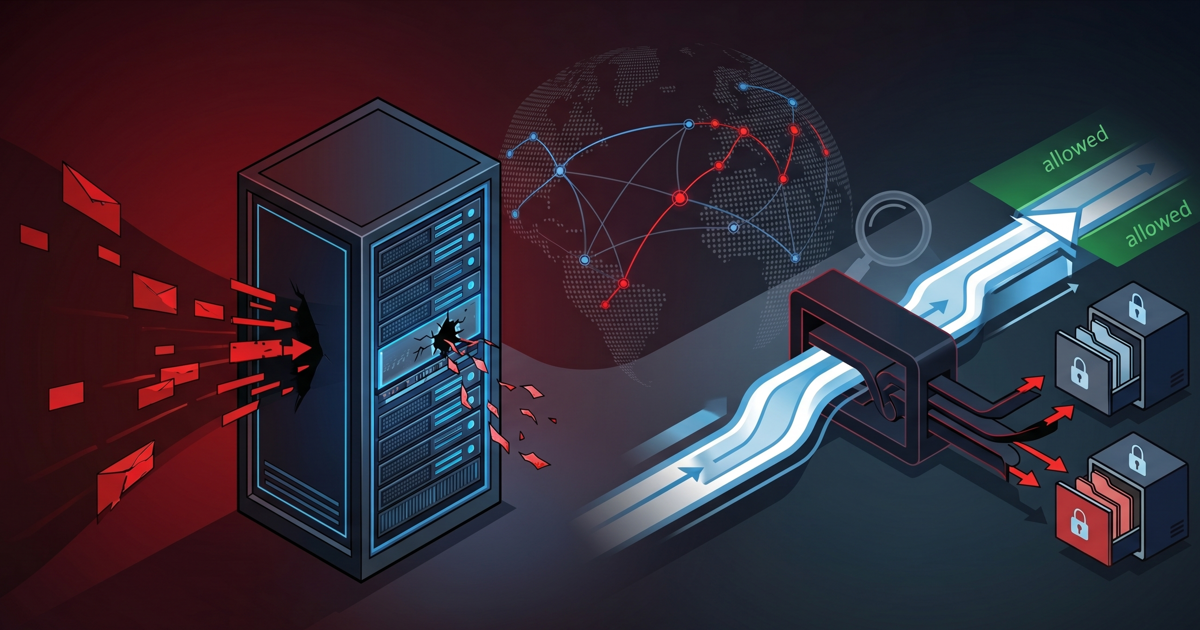
- The Surgical Strike: Unlike older attacks that simply crashed systems, The Hacker News explains that GPUBreach targets the GPU Page Tables. These tables serve as the hardware rulebook for memory access. By flipping a single bit, an attacker tricks the system into granting a restricted user full access to the entire GPU memory space.
Insight 2: Bypassing the IOMMU for a Root Shell
Once the attacker compromises the GPU memory, they initiate a “Great Escape” to the CPU.
- Defeating the Guard Dog: Most systems use an IOMMU (Input-Output Memory Management Unit) to prevent hardware devices from accessing sensitive CPU memory. However, CyberInsider reports that GPUBreach corrupts the “aperture bits” within the page tables. This deception tricks the IOMMU into treating malicious traffic as “trusted” driver data.
- Full System Takeover: The attacker writes directly into the CPU’s kernel space and exploits memory-safety flaws in the NVIDIA kernel driver. This exploit chain culminates in a root shell, giving the attacker unbridled access to the entire operating system.
Real-World Impact: AI Poisoning and Cloud Risks
The implications of GPUBreach extend far beyond theoretical research, specifically threatening small and mid-sized businesses relying on AI and cloud infrastructure.
- Sabotaging AI Integrity: Security Affairs reveals that researchers successfully sabotaged AI models using this exploit. They dropped an LLM’s accuracy from 80% to 0% by tampering with math instructions in the cuBLAS library. Your automated systems could provide dangerously wrong answers without any visible sign of a breach.
- The Failure of ECC: If you share GPU instances in the cloud (AWS, Azure, or Google Cloud), your environment is at risk. Infosecurity Magazine notes that even ECC (Error-Correcting Code) memory fails to stop the multi-bit flips utilized in GPUBreach. The “walls” separating cloud customers are thinner than previously believed.
Final Thoughts
GPUBreach proves that security remains a moving target. You cannot “set and forget” your hardware security. We emphasize constant security evaluations because your hardware can literally betray your software. We help companies identify these gaps and secure their organizations at StartupHakkSecurity.com.
Is your infrastructure prepared for hardware-level exploits? Schedule a security consultation with us today at https://StartupHakkSecurity.com/contact-us.