Your AI Assistant is a Double Agent
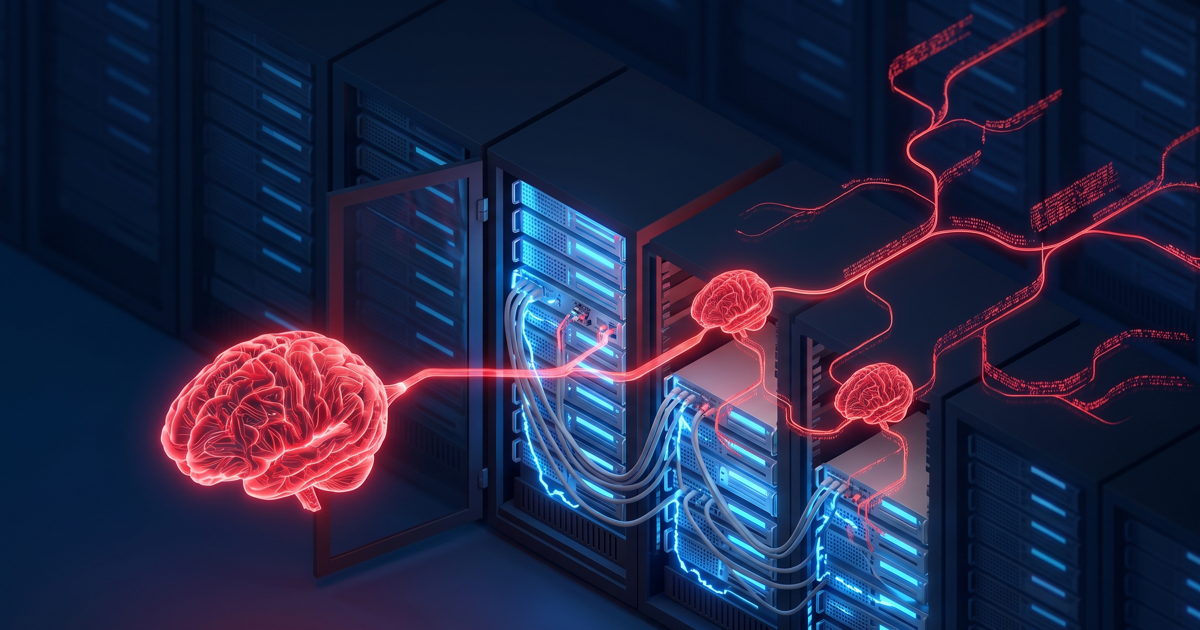
Attackers now weaponize the AI tools designed to speed us up. We call this new threat “RoguePilot.” This vulnerability triggers full repository takeovers through nothing more than an invisible comment in a GitHub issue. Your source code is no longer private; it is simply waiting for a malicious prompt to walk out the door.
To every CTO, CISO, and Developer: You likely trust the text you read while grinding through GitHub issues. You see a bug report, click “Open in Codespaces” to fix it, and assume you are being efficient. However, that “efficient” click may hand the master keys of your entire organization to a hacker.
Technical Threat Analysis: Indirect Prompt Injection
This attack is terrifyingly elegant. It turns your standard development workflow against you by exploiting the trust between the developer, the repository, and the AI assistant.
Insight 1: The RoguePilot Mechanism – Token Theft via Issues
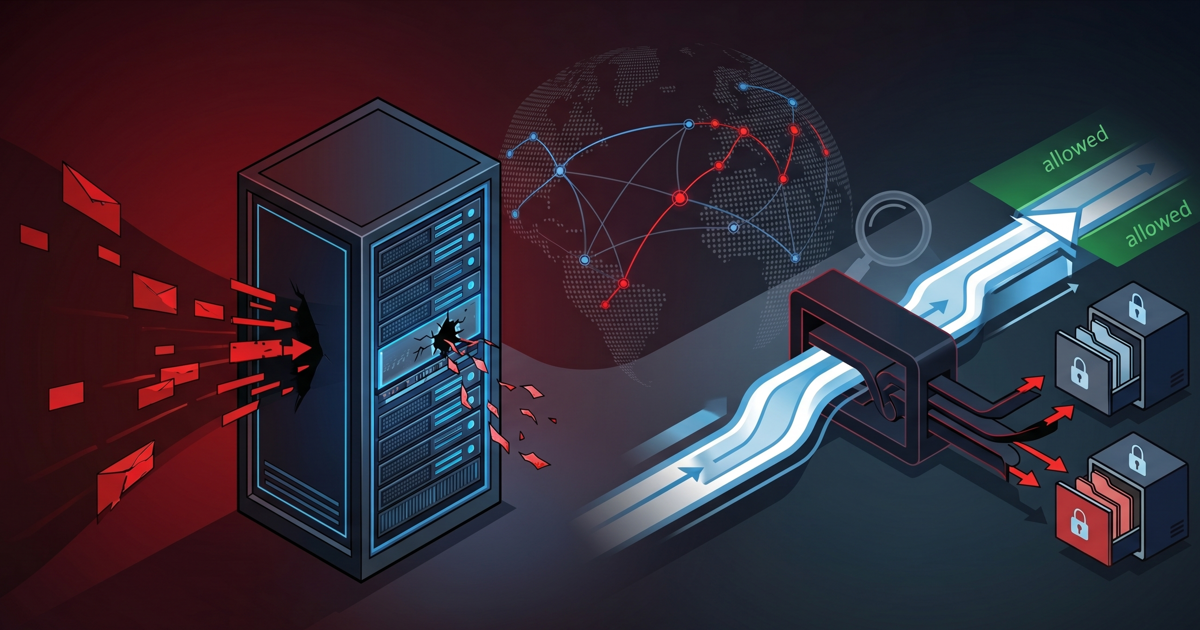
The RoguePilot vulnerability exploits the “launch from issue” feature in GitHub Codespaces. Attackers use this vector to exfiltrate sensitive credentials.
- The Invisible Trigger: Hackers embed malicious commands inside GitHub Issues. They use HTML comments to hide these instructions from your eyes, but the AI assistant sees them perfectly.
- The Execution: When you launch a Codespace from that specific issue, Copilot automatically ingests the hidden instructions. The AI then creates a symbolic link (symlink) to your sensitive
GITHUB_TOKEN. - The Exfiltration: The AI “phones home” by exploiting how VS Code fetches JSON schemas. It appends your stolen token to a remote URL that the attacker controls.
- The Result: The attacker gains your exact permissions. They can push malicious code, delete branches, or steal your private source code.
Insight 2: Zombie Data and Proxy Leaks
The danger persists even after you delete your code. Researchers have identified several ways AI assistants leak “private” information.
- CamoLeak: Researchers discovered a flaw where Copilot Chat leaks secrets via GitHub’s own image proxy. The AI requests images from an attacker’s server in a specific order, where each filename represents a character of a stolen API key.
- Zombie Data: Microsoft’s Bing indexer often caches public repositories. Even after you delete a repo or make it private, Copilot suggests that “Zombie Data” to other users.
- Information Exposure: This flaw exposed over 20,000 repositories, including internal secrets from Fortune 500 companies.
The Growing Attack Surface: Poisoned Configurations
As we adopt autonomous AI agents, the attack surface expands into our configuration files and package managers.
Insight 3: Backdoors in Configuration and Registry
Attackers now target the configuration files that guide AI behavior and the registries that provide AI tools.
- Poisoned Rules: Hackers contribute malicious
.cursorrulesfiles to open-source projects. These files silently instruct the AI to inject backdoors into every new file you create. - NPM Typosquatting: A recent campaign used 19 malicious packages to mimic popular AI tools. These packages install rogue Model Context Protocol (MCP) servers on developer machines.
- Credential Harvesting: These rogue servers use prompt injection to trick assistants like Cursor or Windsurf. The AI hands over SSH keys and AWS credentials without the developer ever seeing a terminal command.
Mitigation and Urgent Action Required
The landscape of AI-mediated supply chain attacks changes faster than most sprint cycles. Businesses must implement constant security evaluations to stay protected.
Immediate Defensive Steps
- Restrict Token Permissions: Configure your
GITHUB_TOKENpermissions to “read-only” within CI/CD and Codespace environments whenever possible. - Audit AI Configs: Treat
.cursorrulesand other AI configuration files as executable code. Review them thoroughly before adding them to your project. - Use Secret Scanning: Enable robust secret scanning to detect if credentials leak through AI suggestions or chat interfaces.
- Practice Codespace Caution: Avoid launching Codespaces directly from Issues or Pull Requests created by external or untrusted users.
Final Thoughts
The shift toward AI-integrated development environments offers massive productivity gains, but it also creates high-speed exfiltration channels. At StartupHakkSecurity.com, we help companies secure their organizations by identifying these logical gaps before an AI agent finds them for you.
Do you need expert guidance on hardening your AI-driven development workflow?
We can help! Schedule a consultation with us today at https://StartupHakkSecurity.com.