Your Codebase is a Ticking Clock
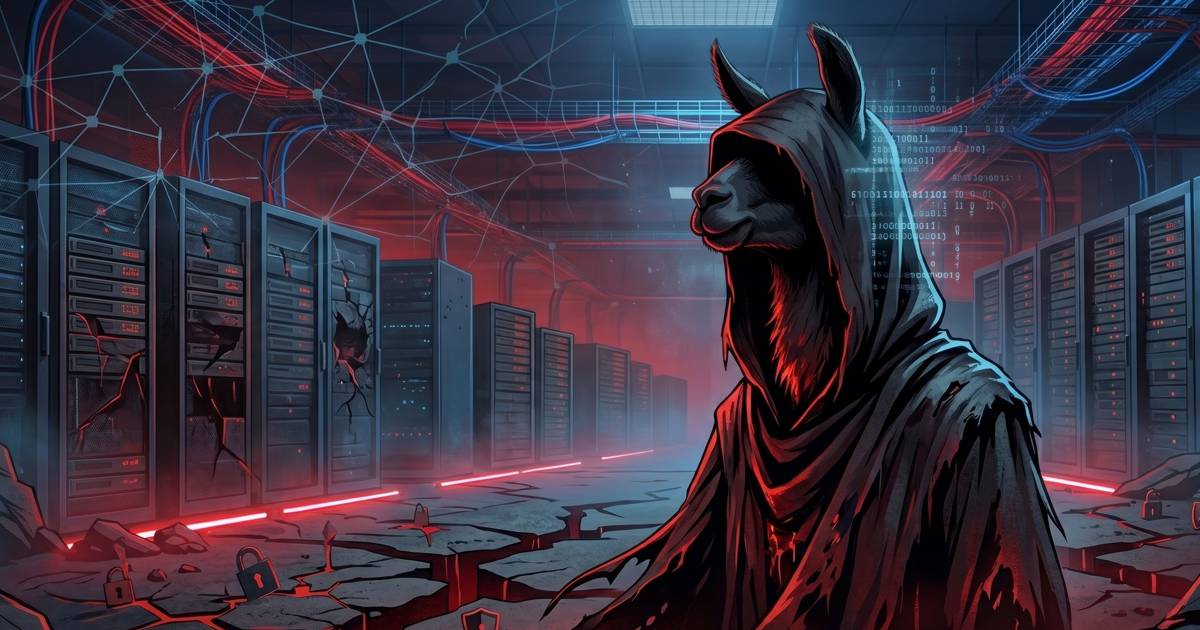
To every CTO, CISO, and Developer:You likely trust your build process, but a digital time bomb might already sit in your codebase. Malicious actors are transforming simple dependency packages into covert tools of sabotage. The Sharp7Extend malicious NuGet package proves that a small utility can do more than connect to a Programmable Logic Controller (PLC)—it can wipe your production database or shut down critical infrastructure.
This is not a theoretical bug. This is a software supply chain attack where threat actors inject malware into the components developers trust most. This logic bomb sits dormant, bypasses security reviews, and waits for a specific date to execute its payload.
Technical Threat Analysis: The Power of Patience
The Shanhai666 threat group designed this attack for long-term impact rather than immediate gain. They targeted systems running on .NET that interface with industrial controls.
The Dormant Saboteur
The Sharp7Extend package demonstrates how attackers use patience as a weapon.
- The Trap: Attackers hide the malicious code within a functional library. Developers integrate the package, pass security audits, and deploy to production without triggering any alarms.
- The Activation: The code remains silent until a predetermined future date. This delay makes forensic analysis nearly impossible, as the entry point might be years old by the time the “bomb” detonates.
- The Build Loophole: Other groups use similar tactics, such as the IAmReboot package. This exploit leverages MSBuild integration to execute code during the build phase rather than at runtime, catching developers before the application even launches.
The Supply Chain Epidemic
The NuGet ecosystem is currently facing a structural security crisis. This problem extends across all major package managers, including NPM.
- Recursive Risk: You must vet every dependency, its sub-dependencies, and the entire recursive chain.
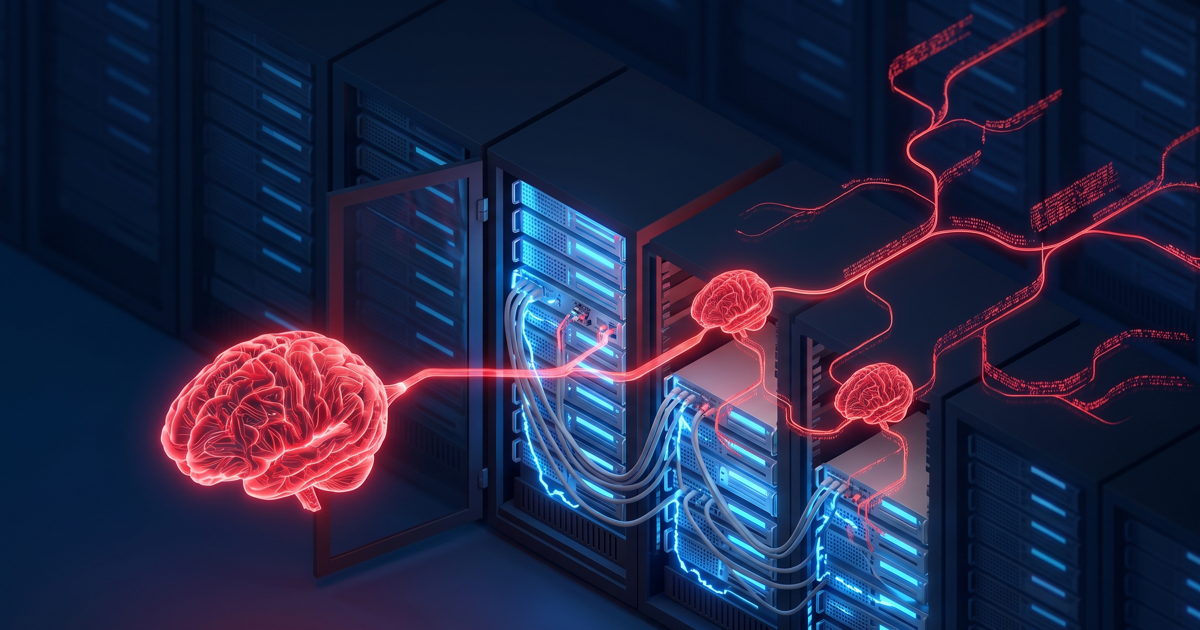
- Advanced Injection: Sophisticated campaigns like the SeroXen RAT utilize IL Weaving. This technique modifies compiled code to inject malware, which significantly complicates detection by standard security tools.
- A New Standard: Security teams must treat every open-source dependency as a high-risk asset until they prove otherwise through rigorous auditing.
Physical Harm through Software
The Sharp7Extend package specifically targets Industrial Control Systems (ICS). This shift moves cyber threats from data breaches to real-world physical destruction.
- Targeting Infrastructure: These attacks aim for manufacturing plants, power grids, and water treatment facilities.
- State-Sponsored Tactics: The methodology mirrors famous attacks like Stuxnet or the INCONTROLLER framework. These tools target multiple PLC types to inflict maximum damage on civil functions.
- Ethical Responsibility: When a package targets an industrial protocol, the attacker intends to disrupt the physical world. Developers now hold the ethical responsibility to secure systems that, if compromised, could literally shut down a city.
Mitigation and Defense Strategies
Software supply chain security requires an active, aggressive defense posture. You cannot rely on “set and forget” dependency management.
Immediate Defensive Actions
1. Audit Your Dependency Graph: Use Software Composition Analysis (SCA) tools to map every package in your environment. Identify and remove any unverified or suspicious packages immediately.
2. Pin and Vendor Dependencies: Avoid using “latest” tags. Pin your versions and consider vendoring critical libraries to prevent unexpected upstream malicious updates.
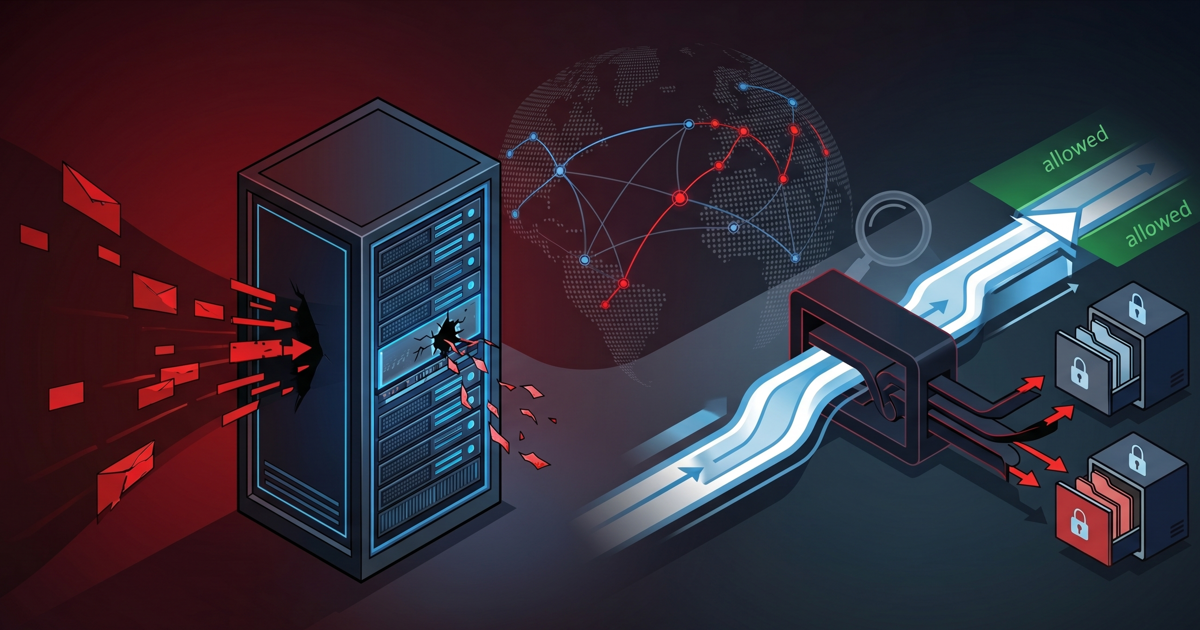
3. Monitor Build Servers: Watch for unusual outbound network traffic or unexpected process execution during your CI/CD pipeline builds.
The Sharp7Extend logic bomb reminds us that the tools we use to build the world can also be used to tear it down. As a leader or a developer, your code is the frontline of physical security.
Which of your critical dependencies are you auditing today?
We can help you secure your development lifecycle. Schedule a consultation with us today at StartupHakkSecurity.com.
Watch the video on YouTube