You are likely running on 20-year-old security myths while the world has moved on to AI-driven “kill chains.” If you aren’t paying attention, you have already left the door wide open for attackers to dismantle your company from the inside out.
To every Business Owner, CTO, and IT Manager: Stop picturing a hooded hacker trying to “break into” your server. In 2026, attackers don’t break in—they simply log in as your most trusted employee.
1. Browser and OS Zero-Days: CVE-2026-2441 & CVE-2026-20700
Modern hackers weaponize the very tools your team uses to browse the web and stay mobile. CISA recently flagged CVE-2026-2441, a high-severity vulnerability in Google Chrome that allows remote code execution. An attacker only needs to trick your user into landing on a malicious site to trigger this bug.
Simultaneously, Apple rushed out patches for CVE-2026-20700, a sophisticated memory exploit in the dynamic link editor (dyld) affecting iOS and macOS. Sophisticated actors are already using this flaw in “extremely sophisticated attacks” against specific individuals. You must mandate that all company hardware updates to iOS 26.3 and Chrome version 145 immediately to close these active gateways.
2. The Death of the “Obvious” Phishing Email
AI-orchestrated vishing and real-time voice cloning have replaced the misspelled emails of the past. Criminals use generative AI to create perfect audio replicas of your executives to authorize fraudulent wire transfers.
These deepfake campaigns have exploded by over 1,200% recently, bypassing the “trust but verify” instincts of even your most veteran staff. Because these AI bots scan public recordings to craft hyper-personalized attacks, the “human” element of your security now represents your weakest link. You must implement out-of-band verification protocols—like a specific Slack code or secondary device check—to verify the person on the other end of the phone.
3. Sabotage Through Your Trusted Supply Chain
Attackers no longer target you directly; they target the vendors and third-party contractors you depend on daily. Groups like Scattered Spider specialize in stealing identity tokens from IT help desks to gain a foothold in your network through a trusted provider.
Major retailers have already suffered massive production halts because of breaches at their logistics partners. Hackers inject malicious code into common open-source libraries and sit quietly in your systems for months before detection. You must audit your “Identity Supply Chain” and ensure that no single external partner has unrestricted access to your cloud environment.
4. Ransomware 5.0: The Data-Only Extortion Threat
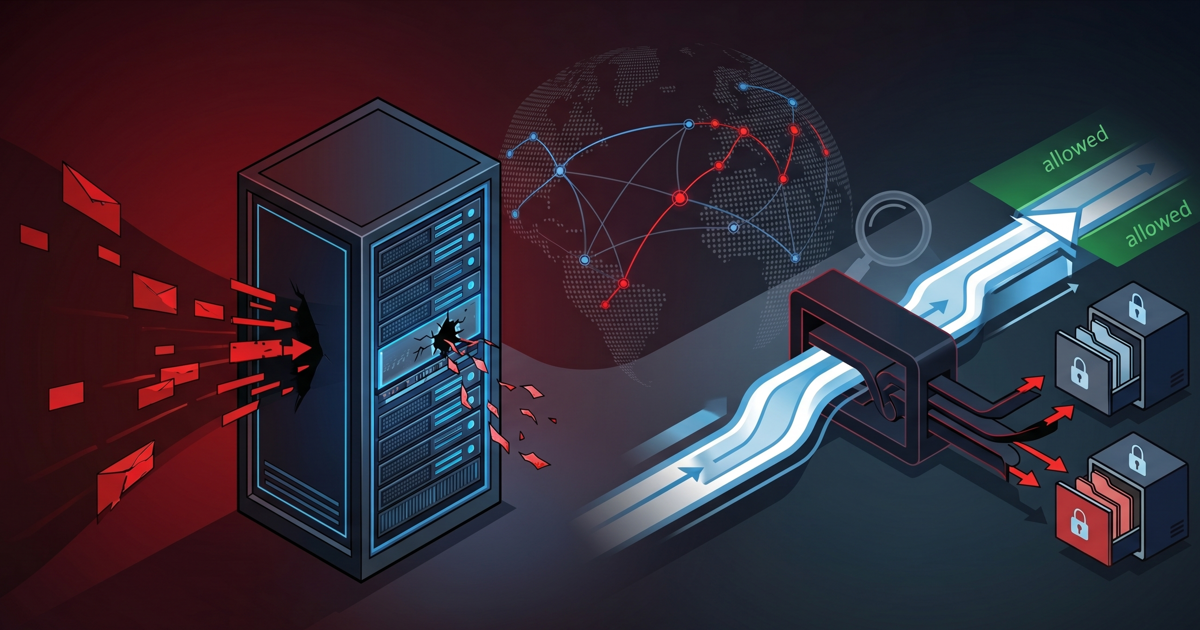
The industry is seeing a massive shift toward “Data-Only Extortion,” where hackers don’t even bother encrypting your files anymore. Instead, they quietly exfiltrate your sensitive data and threaten to leak it to regulators or the public unless you pay.
This tactic is significantly more dangerous because backups won’t save you from a public data leak that triggers massive fines and permanent brand damage. To combat this, you must move toward “Least Privilege” access so no single employee holds the keys to your entire data kingdom. Implementing hardware-based security keys like YubiKeys remains the best way to stop modern groups from stealing the session tokens they need to rob you blind.
Final Thoughts
Security in 2026 is an identity problem, not just a technical one. If you are still relying on old-school firewalls and SMS-based MFA, you are an easy target. Secure your identity perimeter, patch your browsers, and move to hardware-based authentication before the next “kill chain” targets your organization.
Is your team struggling to keep up with these AI-driven threats?
We can help! Schedule a consultation with us today!