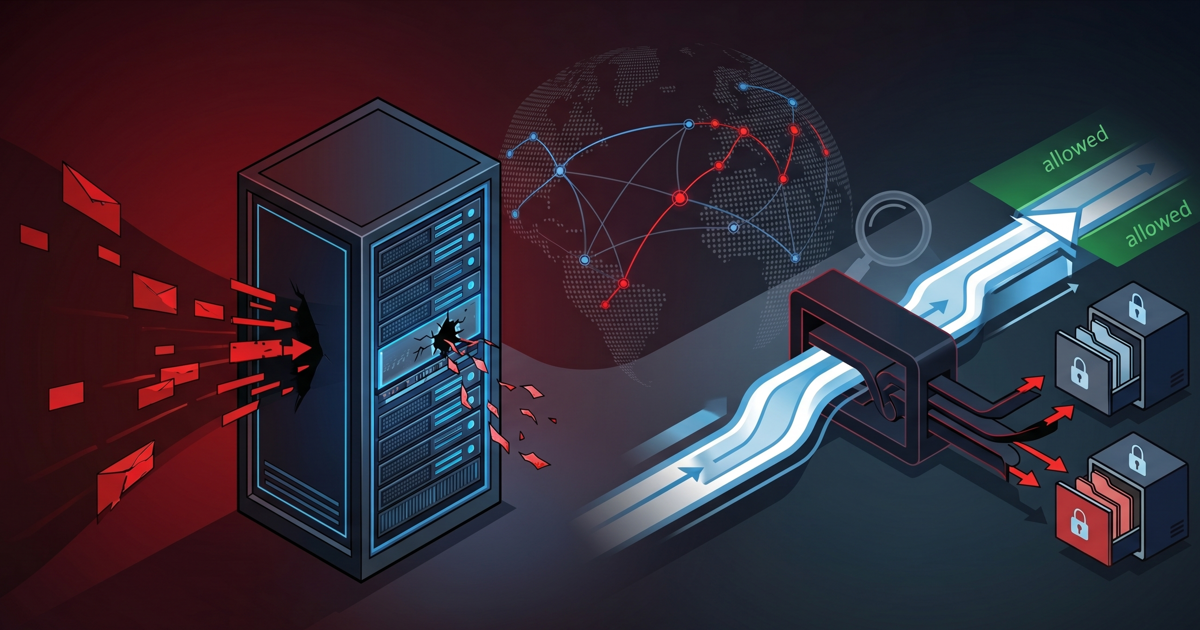
Your Abandoned Servers are Not Idle
A massive, 7,000-node global botnet called SSHStalker is currently sweeping through cloud environments. Hackers use your hardware and your AWS credentials to fund their operations while you sleep. This threat does not just break into your system; it moves in, decorates, and uses “behavioral camouflage” to mimic human activity.
To every CTO, CISO, and DevOps Engineer: Check your “temporary” development VPS right now. That forgotten Linux box you spun up three years ago for a quick test probably hosts a silent intruder.
If you treat your cloud infrastructure as a “set it and forget it” asset, you are facing a very rude awakening.
Technical Threat Analysis: Stealth and DIY Exploitation
SSHStalker bypasses modern security stacks by blending old-school tactics with clever, adaptive techniques. It targets legacy systems and abandoned cloud instances to build a persistent staging ground.
Old School C2 with Modern Camouflage
Most security tools monitor HTTP or HTTPS traffic for threats. SSHStalker evades these tools by returning to a 1990s classic: Internet Relay Chat (IRC).
- Human-Like Noise: According to CSO Online, these bots generate artificial chatter in chat channels. This mimics human behavior, making the Command and Control (C2) traffic incredibly hard to distinguish from legitimate use.
- Targeting the Clouds: The botnet specifically hunts for abandoned cloud instances, particularly on platforms like Oracle Cloud, as reported by The Hacker News.
- Credential Harvesting: The malware actively harvests AWS credentials once it gains access. This gives the attackers the keys to your entire cloud kingdom.
- The 60-Second Watchdog: The botnet maintains persistence through a “watchdog” cron job. This script fires every 60 seconds, ensuring the bot restarts immediately if you kill the process.
The DIY Specialist – Compiling Malware On-Site
SSHStalker acts as a DIY specialist. Instead of bringing a pre-built binary that security tools might flag, it builds its own weapons on your machine.
- Local Compilation: As SecurityWeek notes, the malware downloads the GNU Compiler Collection (GCC) to compile binaries directly on your host. This bypasses static detection tools that search for known malicious file signatures.
- Weaponized Exploits: The toolkit includes over 16 different kernel exploits. These exploits specifically target older Linux versions, as detailed by UltraViolet Cyber.
- Stealthy Scanning: The infection starts with a Go-based scanner. This scanner masquerades as a legitimate
nmapprocess to find new victims without raising alarms.
Mitigation: Stop the “Set It and Forget It” Mentality
The rise of SSHStalker highlights a fundamental failure in tech debt management. Software is a living asset; it requires constant maintenance.
Immediate Defensive Steps
You must stop treating your servers like appliances. Implement these steps to protect your organization:
- Patch and Update: Security requires constant patches. The SANS Internet Storm Center emphasizes that “set it and forget it” is a myth. Patch your legacy kernels immediately.
- Monitor Compiler Activity: Monitor your production servers for unauthorized use of
gccormake. A web server should never suddenly start compiling code. - Audit Abandoned Instances: Identify and decommission any “zombie” VPS instances. SC Media points out that attackers hold thousands of these servers in a dormant state, waiting to launch a massive, coordinated attack.
- Kill Password SSH: Use key-based authentication and disable password logins to stop the brute-force scanners used by the SecPod Blog documented scanning phase.
Final Thoughts
SSHStalker turns your trusted cloud infrastructure into a launchpad for criminal activity. Security is a continuous process, not a one-time setup.
Is your team struggling to manage legacy tech debt, or do you need experts to hunt for dormant threats in your network?
We can help! Schedule a consultation with us today at https://www.startuphakksecurity.com/.