Is Your Business Infrastructure Built on a House of Cards?
Every business owner today wants to move fast. New “vibe-coding” platforms promise to turn a simple idea into a functional app in minutes. While this speed feels like a competitive advantage, it often masks a terrifying reality: these apps frequently lack foundational security. If you built your company’s internal tools using AI without a security architect, you likely operate an open door for hackers.
Recent disclosures from researchers like @weezerOSINT reveal systemic failures across these AI-driven platforms. These security oversights affect thousands of projects, turning your proprietary code, database credentials, and customer data into low-hanging fruit for malicious actors.
Technical Threat Analysis: The AI Security Debt
The rush to deploy AI-generated software creates significant “security debt.” When developers prioritize speed over structure, they often overlook basic infrastructure protections.
1. The IDOR Catastrophe
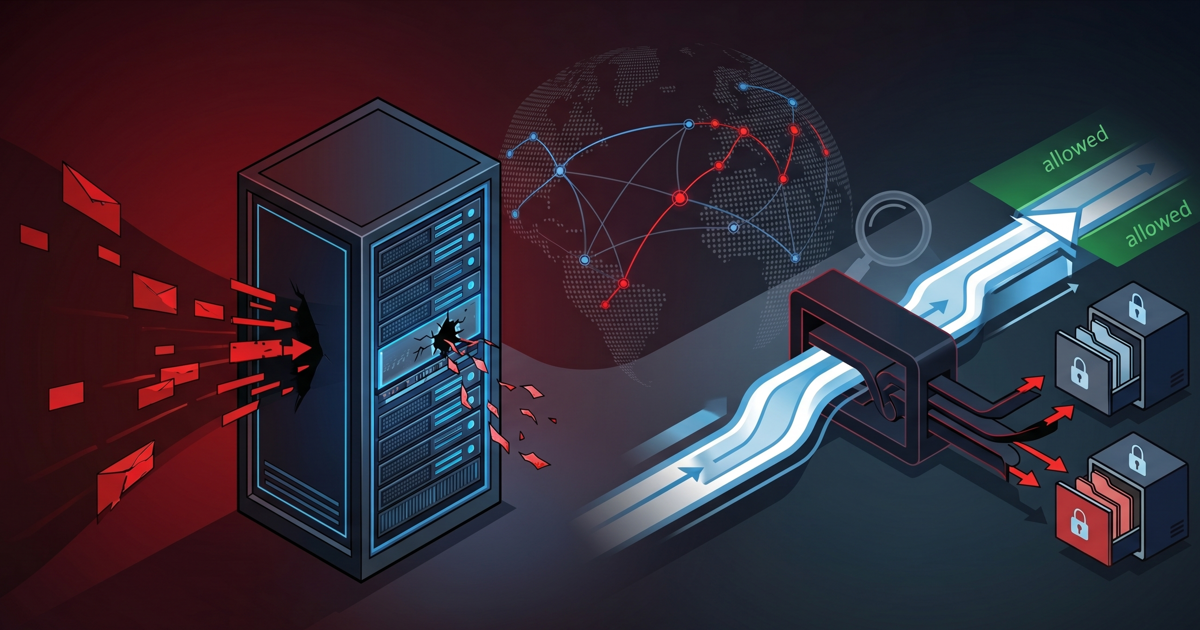
The primary issue stems from Insecure Direct Object References (IDOR). These AI platforms often fail to enforce proper access controls on internal API endpoints. Because the system lacks authentication at the object level, a user with a basic free account can query sensitive endpoints. Attackers leverage this flaw to pull source code, database secrets, and even historical AI chat logs from other users’ projects. The platform effectively left the front door unlocked, and the “lock” remained disengaged even after initial discovery.
2. The “Vibe-Coding” Permission Gap
AI tools excel at generating functional code, but they struggle with complex infrastructure security. Researchers at Superblocks discovered that over 170 apps leaked live customer data due to misconfigured Row Level Security (RLS). When developers delegate database schema creation to an LLM, they often omit critical security rules. If you do not verify the AI’s generated permissions, you essentially hand the keys to your kingdom to any external actor who guesses the right URL.
3. The “Legacy” Exposure Liability
Patching processes often fail to protect existing users. While platforms frequently patch vulnerabilities for new projects, they often leave “legacy” projects exposed. A GlitchWire investigation highlights that apps launched before November 2025 remained largely vulnerable. This creates a massive, ongoing liability for any business that deployed an AI-generated app and assumed it was secure by default.
Mitigation and Urgent Action Required
You cannot assume that your AI-generated app remains safe just because it works. You must treat automated code with the same scrutiny you apply to a third-party legacy codebase.
Immediate Steps for Security
- Audit Your Architecture: Industry experts at XDA Developers warn that AI-driven development currently suffers from significant infrastructure security gaps. Have a human security professional review your database schemas and API configurations immediately.
- Scan for Vulnerabilities: Do not wait for a breach notification. Utilize tools like the Symbiotic Security scanner to identify if your specific project contains these dangerous IDOR flaws.
- Enforce Security Lifecycle: Move your security check from the “end” of the process to the “start.” Treat every prompt to an AI as a potential configuration change that requires verification.
Final Thoughts
The “vibe-coding” trend offers incredible speed, but it requires mature engineering oversight to remain viable. Security is not an optional feature you add later—it is the foundation of your business infrastructure. If you built your application using AI, assume it is exposed until you prove otherwise through a professional audit.
Is your team struggling to secure AI-generated applications? Do you need expert guidance on hardening your infrastructure or establishing a secure development lifecycle?
We can help! Schedule a consultation with us today at StartupHakkSecurity.com.